

Italy is one of Europe’s most dynamic export economies. From luxury fashion and high-end furniture to precision machinery, food products, chemicals, and automotive components, Italian goods enjoy exceptional demand in virtually every global market. For businesses looking to either sell Italian products internationally or import them for resale, understanding how to export from Italy efficiently is fundamental.
Italy’s Export Landscape: Why It Matters
Italy consistently ranks among the world’s top ten exporters, with annual export volumes exceeding €600 billion. The country’s manufacturing heartland — stretching from Lombardy in the north through Emilia-Romagna and down to the artisan districts of Tuscany and Veneto — produces goods that combine industrial precision with design excellence. Key export categories include machinery and equipment, vehicles and automotive parts, pharmaceutical products, food and beverages, fashion and accessories, furniture and home furnishings, and chemical products.
The Regulatory Framework for Exporting goods from Italy
As a member of the European Union, Italy operates within the EU’s unified trade framework. Goods moving between EU member states do not face customs duties or border controls. When exporting to non-EU countries, goods leave the EU through the Common Customs Tariff system and the exporter must file an Export Declaration through the Italian Customs Agency. The EU has negotiated preferential trade agreements with dozens of countries worldwide, allowing Italian goods to enter those markets at reduced or zero tariff rates — provided the goods meet the rules of origin requirements.
Essential Export Documentation
Getting documentation right is critical for a smooth export from Italy. The key documents include: the commercial invoice (detailing the transaction between seller and buyer), the packing list (specifying how goods are packed), the bill of lading or air waybill (the transport document issued by the freight carrier), the Export Declaration (EX) filed with Italian customs, the certificate of origin or EUR.1 (required to claim preferential tariff treatment), and product-specific certificates depending on the category.
Choosing the Right Logistics Route
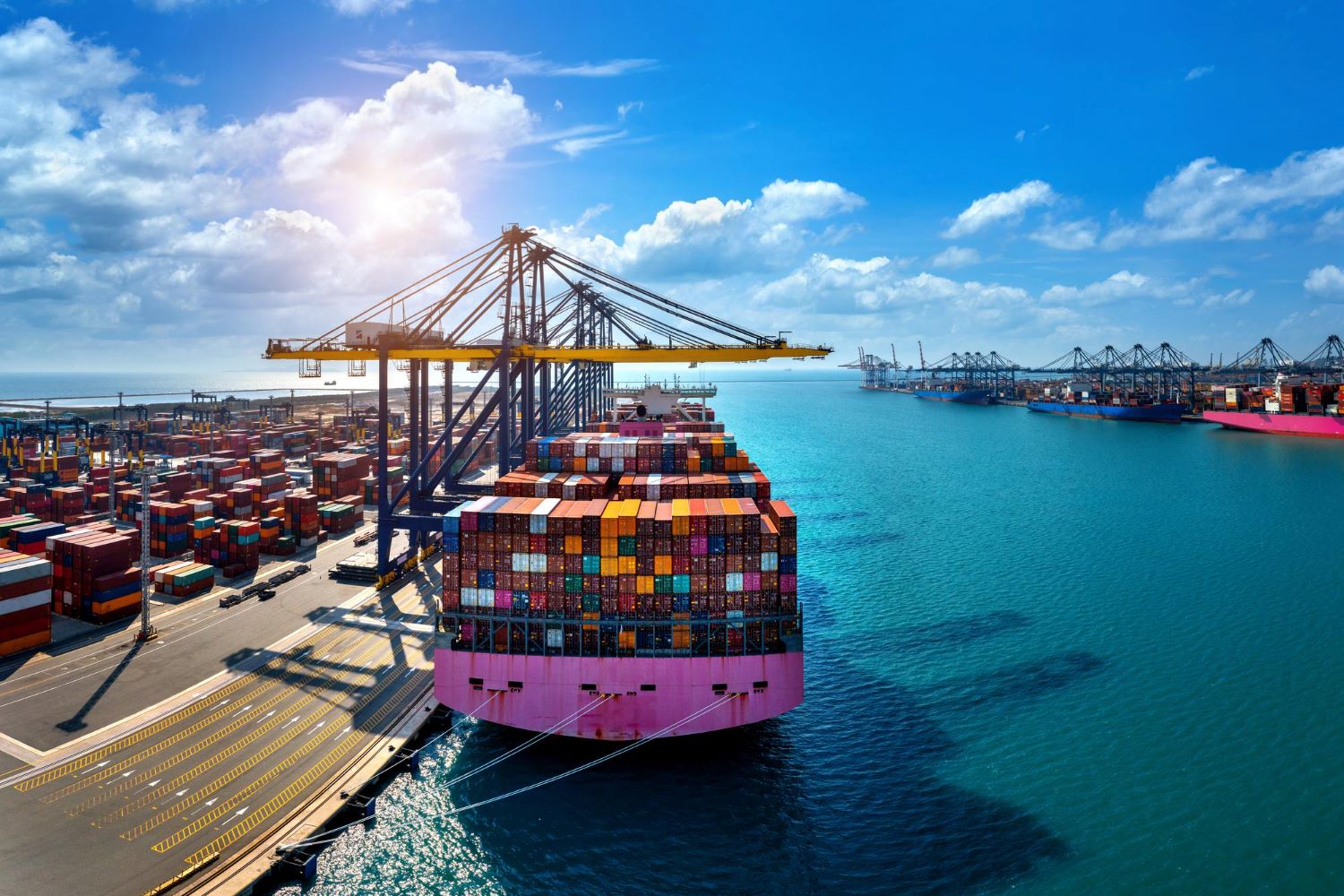
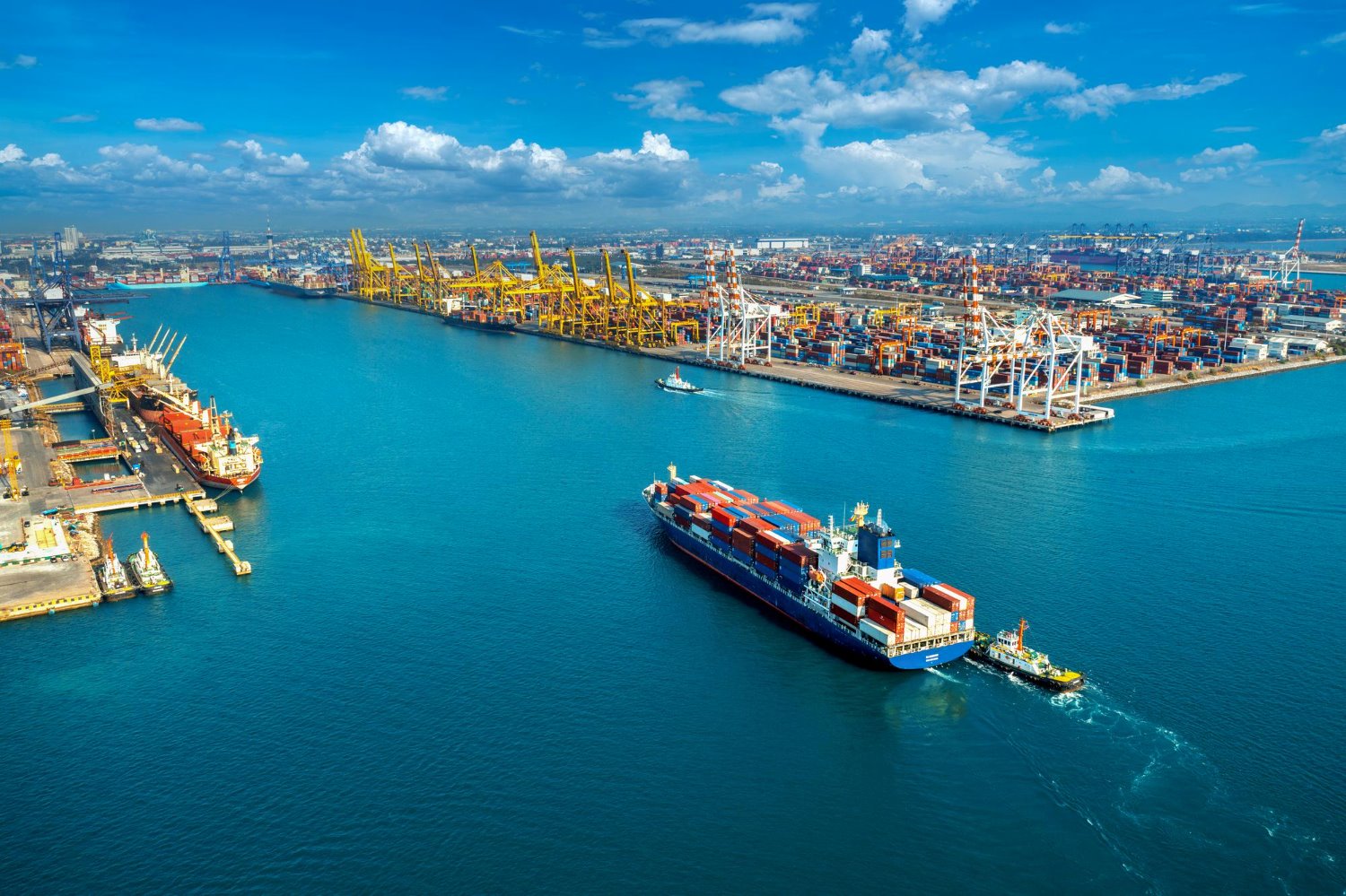
Italy has excellent connectivity to global markets. The major northern ports (Genoa, Trieste, La Spezia) serve Atlantic and Mediterranean routes. Air freight is handled primarily through Milan Malpensa and Rome Fiumicino airports. The choice between sea, air, and road freight depends on your product’s value, weight, and delivery urgency. For high-volume, lower-urgency shipments, sea freight remains the most cost-effective option. For time-sensitive or high-value goods, air freight is the logical choice despite its higher cost.
Working with an Exporting goods from Italy partner
For foreign buyers who want to import goods from Italy but lack on-the-ground resources, working with an Italian-based import export from Italy company is the most efficient route. Such a partner can source goods directly from manufacturers, verify quality before shipment, manage all export from Italy documentation, coordinate freight, and ensure customs compliance — providing the buyer with a single point of contact for the entire process. SAN Import Export from Italy specializes precisely in this role: acting as a bridge between Italian and European manufacturers and international buyers.
Common Challenges and How to Avoid Them
Tariff classification errors (using the wrong HS code) can result in wrong duty calculations and potential customs audits. Rules of origin non-compliance is a customs violation that can lead to significant penalties. Undervaluation — declaring a lower commercial value to reduce customs duties — is illegal and exposes both exporter and importer to serious legal and financial risk. Working with an experienced export from Italy partner eliminates most of these risks.
Frequently Asked Questions – Export from Italy
What are the most common Italian export product categories?
Machinery, furniture, food and beverages, fashion and textiles, pharmaceutical products, and automotive components are Italy’s top export categories. The country is particularly known for the quality of its furniture and interior design products.
How long does customs clearance take for exports from Italy?
For standard goods with complete documentation, export clearance in Italy is typically processed within 24–48 hours. Complex product categories or incomplete documentation can cause longer delays.
Are there export restrictions on any Italian products?
Yes, certain products are subject to export controls — including dual-use technology, military equipment, and some cultural heritage items. For standard commercial goods (furniture, food, clothing, machinery), no specific export license is typically required.
What is a EUR.1 certificate and when do I need it?
A EUR.1 movement certificate proves that goods originate from the EU and qualify for preferential tariff rates in countries with EU trade agreements. It must be issued by the Italian Customs Agency and signed by the exporter.
For foreign buyers who want to import goods from Italy but lack on-the-ground resources, working with an Italian-based import export company is the most efficient route. Such a partner can source goods directly from manufacturers, verify quality before shipment, manage all export documentation, coordinate freight, and ensure customs compliance — providing the buyer with a single point of contact for the entire process.
SAN Import Export specializes precisely in this role: acting as a bridge between Italian and European manufacturers and international buyers. To get a clear picture of everything this involves in practice, visit our page on comprehensive supply chain management and logistics solutions. If you want to see how we have delivered results for international clients, our successful export and import projects from Italy offer concrete examples across multiple industries.