


Europe is one of the world’s most sophisticated manufacturing regions. From German engineering and French luxury goods to Italian design and Spanish agriculture, European products are globally recognized for their quality, regulatory compliance, and brand value. For businesses and buyers looking to import from Europe, understanding the logistical and regulatory landscape is essential for building a reliable, cost-effective supply chain.
Table of Contents
The European Union as a Trade Block
One of the most important features of the EU for international importers is its status as a customs union and single market. Goods manufactured and in free circulation anywhere within the EU’s 27 member states can move between those states without customs formalities or duties. For buyers in non-EU countries, goods manufactured in Germany might be stored in an Italian warehouse and exported from the port of Genoa. The goods are EU-origin products regardless of where they physically depart from.
This unified market structure also means that buyers deal with a relatively standardized regulatory environment. Rather than navigating the individual trade rules of 27 separate nations, importers can rely on a single set of EU-wide frameworks for product standards, labeling requirements, and documentation. This significantly reduces complexity compared to sourcing from regions where regulations vary sharply from country to country.
EU Trade Agreements and Tariff Benefits
The EU has one of the world’s most extensive networks of preferential trade agreements, including with Japan (JEFTA), Canada (CETA), South Korea, Singapore, Vietnam, Mexico, and many others. For importers in countries with EU trade agreements, sourcing from Europe can represent a significant tariff saving compared to sourcing from countries without equivalent agreements. This factor alone makes EU-origin products economically competitive even against lower-cost alternatives from other regions.
It is worth noting that these agreements are not static. The EU continues to negotiate and update its trade relationships, meaning new tariff benefits may become available over time. Importers should monitor developments in EU trade policy and work with a customs broker or trade advisor who can identify opportunities to reduce duty costs as agreements evolve.
Key Regulations for Products Imported from Europe
Import from Europe products must meet EU regulatory requirements before they can be legally placed on the EU market. Key frameworks include CE Marking (required for machinery, electrical equipment, toys, medical devices, and construction products), the REACH Regulation (governing chemical substances in products), and strict EU Food Safety Regulations. When these products are exported, their compliance with EU standards is often seen as a mark of quality — and in some cases, EU-compliant products may automatically meet the import regulations of the destination country.
Beyond these headline frameworks, importers should also be aware of sector-specific regulations. The EU’s General Food Law, for instance, sets traceability requirements for food and beverage products. The Ecodesign Regulation is increasingly relevant for electronics and energy-related products. And the EU Timber Regulation applies to businesses importing wood-based goods. Understanding which regulations apply to your specific product category is a critical early step before committing to a sourcing relationship.
Logistics Options for Importing from Europe
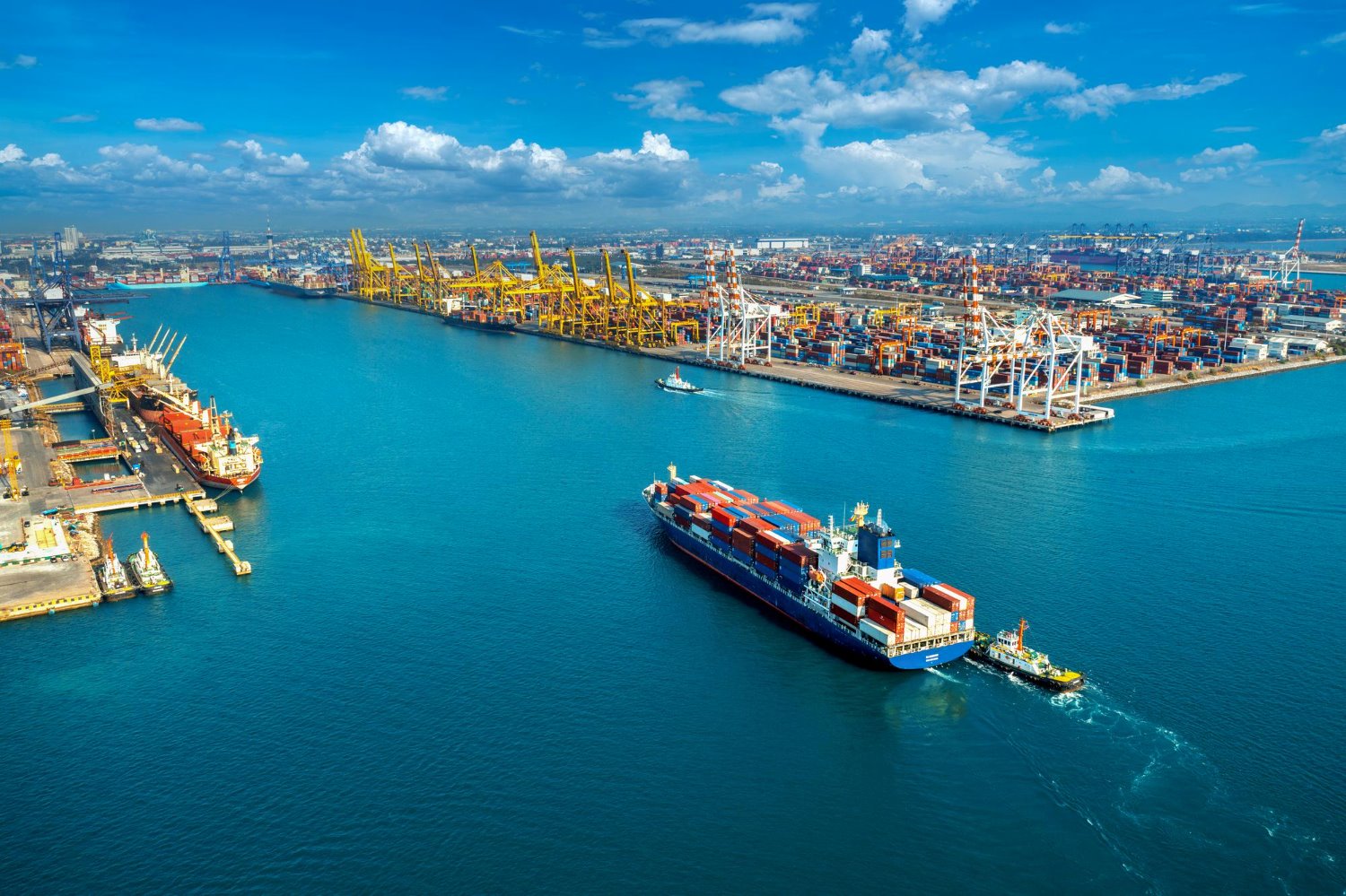
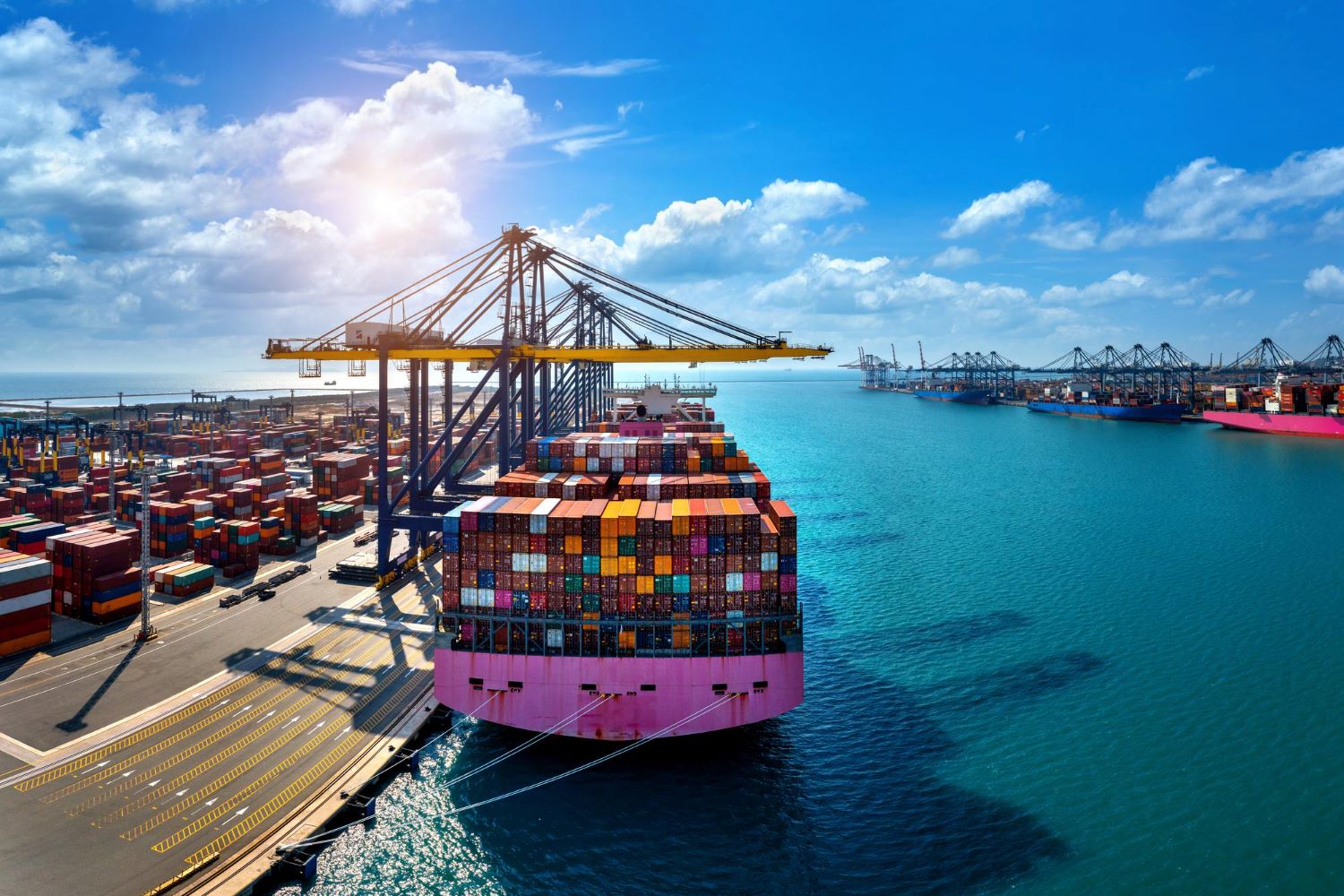
Sea freight is the backbone of global trade, handling around 90% of goods by volume. For large shipments from major import from Europe ports (Hamburg, Rotterdam, Antwerp, Genoa, Barcelona), sea freight is the most cost-effective option. Air freight is faster and significantly more expensive, best suited for high-value goods or time-sensitive shipments. Many efficient import from Europe logistics routes combine road or rail transport from the origin point to a major port, followed by sea or air freight to the final destination.
Rail freight is an increasingly relevant option, particularly for trade corridors between Europe and Asia. The China-Europe rail network has expanded significantly in recent years, offering transit times that fall between sea and air freight at a price point that is often more competitive than air. For buyers looking to reduce carbon footprint without sacrificing too much on speed, rail is worth considering as part of a multimodal logistics strategy.
When planning your logistics, it is also important to consider warehousing and last-mile delivery at the destination. Some importers benefit from using a bonded warehouse at the port of entry, which allows goods to be stored before customs duties are paid — a useful tool for managing cash flow when importing large volumes.
Practical Steps for Setting Up a Import from Europe Supply Chain
Define your product specifications and identify the EU countries with the most relevant manufacturing expertise for your category. Engage a sourcing partner or import export company with on-the-ground presence in Europe to identify and vet potential suppliers — from logistics coordination to customs clearance, a structured approach to supply chain management and import support makes a measurable difference at every stage of the process.
Agree on commercial terms including Incoterms that clearly define responsibilities for logistics and customs. Establish a customs clearance arrangement in your destination country. And put in place quality control processes, either through pre-shipment inspection or through agreed quality standards with your supplier. To understand what a well-executed European sourcing project looks like in practice, you can explore our supply chain case studies for real import/export projects.
It is also advisable to build redundancy into your supply chain from the outset. Relying on a single import from Europe supplier for a critical product category creates vulnerability to disruptions — whether due to production issues, port congestion, or regulatory changes. Identifying at least one alternative supplier within the EU, even if not actively used, gives your business the flexibility to respond quickly when problems arise.
Finally, invest in the relationship with your European suppliers. Regular visits, clear communication channels, and shared performance targets build trust and improve outcomes over time. Import from Europe manufacturers, particularly in sectors like furniture, machinery, and specialty food, often place significant value on long-term partnerships over transactional relationships.
Frequently Asked Questions
How are customs duties calculated on goods imported from Europe?
Duties are calculated as a percentage of the customs value (usually the transaction price plus freight to the point of entry). The applicable duty rate depends on the product’s HS code and whether your country has a preferential trade agreement with the EU.
What is the EUR.1 certificate and do I need it?
The EUR.1 movement certificate is used to claim preferential tariff treatment under EU trade agreements. You need it if your country has a trade agreement with the EU and you want to benefit from reduced duty rates.
How long does shipping from Europe typically take?
Sea freight from major European ports to the Middle East takes approximately 10–20 days, to Asia 25–40 days, and to the Americas 10–30 days depending on the port of destination. Air freight takes 3–7 days to most global destinations.
What is groupage (LCL) shipping and when should I use it?
Groupage or LCL (less-than-container load) means your goods share a container with other importers. It is the most cost-effective option when your volume does not fill a full container, though it involves slightly longer transit times due to consolidation and deconsolidation.